SK Tes explore how AI-driven infrastructure is reshaping data center refresh cycles, supply chains, and the management of retired technology.
SINGAPORE (May 5, 2026) – SK Tes, a global technology lifecycle services provider, today shared new insights on how artificial intelligence (AI) is accelerating data center refresh cycles worldwide, and how this shift is reshaping global supply chains, memory markets, and the value embedded in retired infrastructure.
AI adoption is compressing hardware lifecycles at a pace not seen in more than a decade. Recent industry reporting shows that GPU-dense AI servers are now being refreshed in as little as 10-18 months, compared to traditional 4-6 year cycles. As enterprises race to meet the compute and networking demands of large-scale AI workloads, this accelerated cadence is creating a surge in outbound equipment that needs to be managed securely, responsibly, and in a way that preserves its potential value.
“AI has fundamentally changed the cadence of infrastructure retirement,” says Eric Ingebretsen, Chief Commercial Officer at SK Tes in a recent industry article examining the impact of AI on data center hardware turnover. “Enterprises are upgrading faster than ever, but the back-end processes for secure decommissioning and value recovery haven’t kept pace. That gap creates risk and opportunity for organizations that modernize their ITAD strategy.”
As organizations deploy next-generation AI hardware, they are simultaneously retiring large volumes of servers, storage arrays, networking gear, processors, and memory modules. Without processes capable of handling high-volume inflows of material, this accelerated refresh cycle can create operational bottlenecks, data-security exposure, and significant loss of recoverable value. Analysts note that the bottleneck in AI infrastructure is no longer just compute availability. It is the ability to turn over infrastructure quickly, safely, and sustainably.
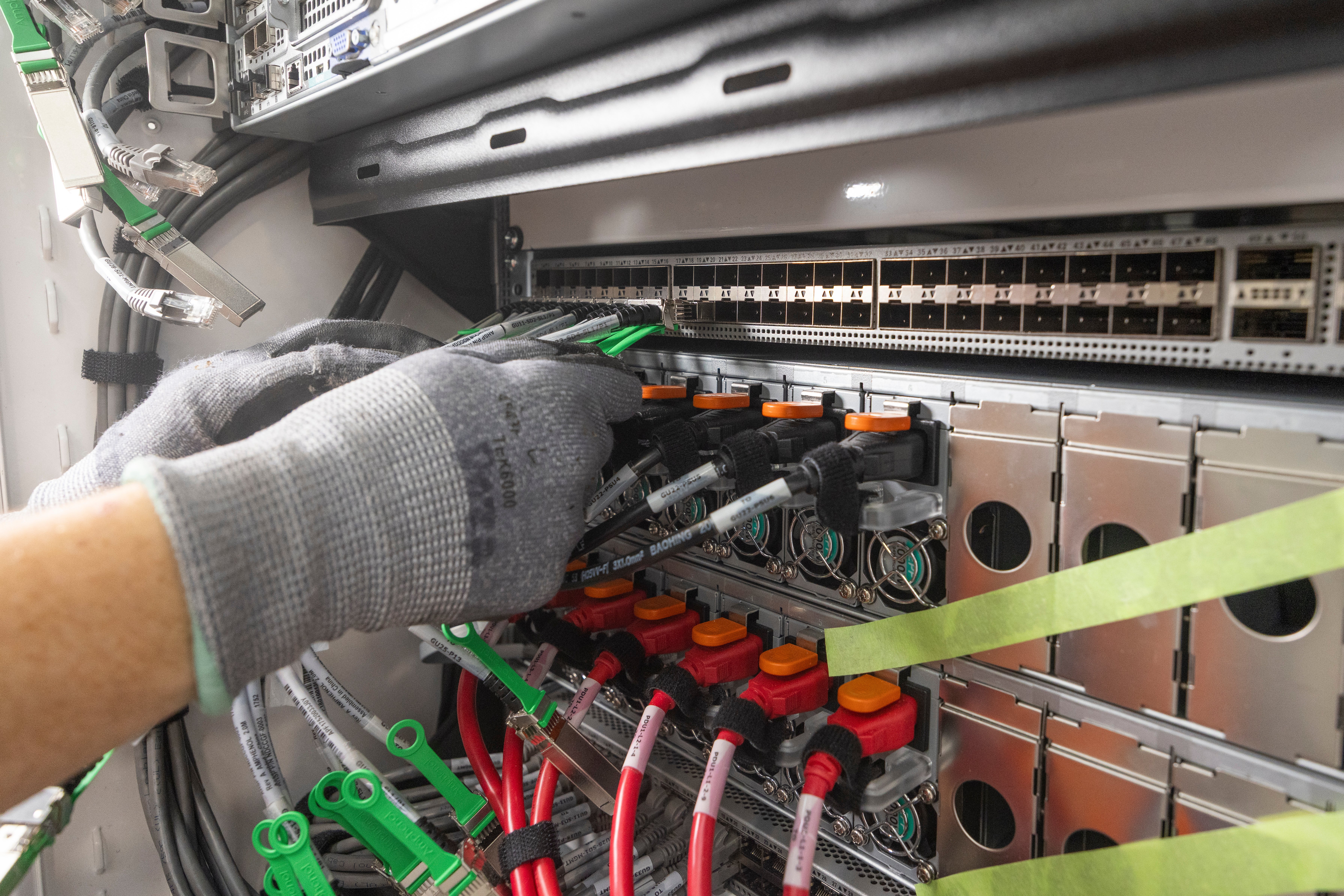
SK Tes supports enterprises, cloud providers, and hyperscalers managing complex, high-volume technology refresh and infrastructure retirement programs worldwide. Through its data center decommissioning services, SK Tes supports projects from onsite data destruction and rack-level decommissioning through component harvesting, secure logistics, redeployment, resale, and recycling.
Insights from the recent SK Tes Market Insights Report highlight that AI-driven refresh cycles are also intensifying pressure on global memory supply chains. AI data centers now consume an estimated 70% of all memory chips produced worldwide, as manufacturers shift production toward high-bandwidth memory (HBM) for AI accelerators. This shift continues to reshape availability of conventional DRAM and has contributed to significant pricing volatility across the market.
DDR4, still widely deployed across millions of servers and embedded systems, is nearing end-of-life as major manufacturers phase out production in favor of DDR5 and HBM. While DDR4 pricing surged in the first quarter of the year, recent large-scale releases of inventory have driven sharp, short-term declines, illustrating how rapid and unpredictable the market has become.
Retired enterprise infrastructure is emerging as an important secondary source of DDR4 during this transition. As enterprises retire DDR4-equipped servers during AI refresh cycles, SK Tes’ refurbishment and value-recovery programs are returning high-quality, tested, and validated DDR4 modules to the market, helping alleviate shortages, stabilize pricing, and extend the usable life of legacy platforms.
“AI is forcing a complete re-architecture of the data center lifecycle,” Ingebretsen added. “Organizations need repeatable, global processes and expert program management to manage complexity, protect data, and unlock value tied up in decommissioned equipment.”
As enterprises accelerate AI-driven refresh, consolidation, and decommissioning programs, SK Tes continues to invest in global capacity, standardized processes, onsite capabilities, and advanced data-sanitization technologies to support increasingly complex technology transitions.
About SK Tes
Since our formation in 2005, SK Tes has grown to become a global leader in sustainable technology services and bespoke solutions that help clients manage the commissioning, deployment, and retirement of technology devices and components. We provide comprehensive services for technology devices throughout their lifecycle, from deployment to decommissioning to disposition, all the way through to recycling and end-of-life repurposing.
This includes innovating new processes to leverage the value locked in assets if they are to be recycled, such as our proprietary lithium battery recycling process, which extracts scarce materials from used batteries at purity rates high enough that they can be reused in the manufacturing supply chain.
We have made it our mission to make a decade of difference by securely, safely, and sustainably transforming and repurposing one billion kgs of assets by 2030. SK Tes has over 40 owned facilities across 22 countries offering unmatched service-level consistency, consistent commercials, lower logistics costs, local compliance experts in-region, support in local time zones and languages, and a deep understanding of transboundary movement globally.
For more information, visit about us page.