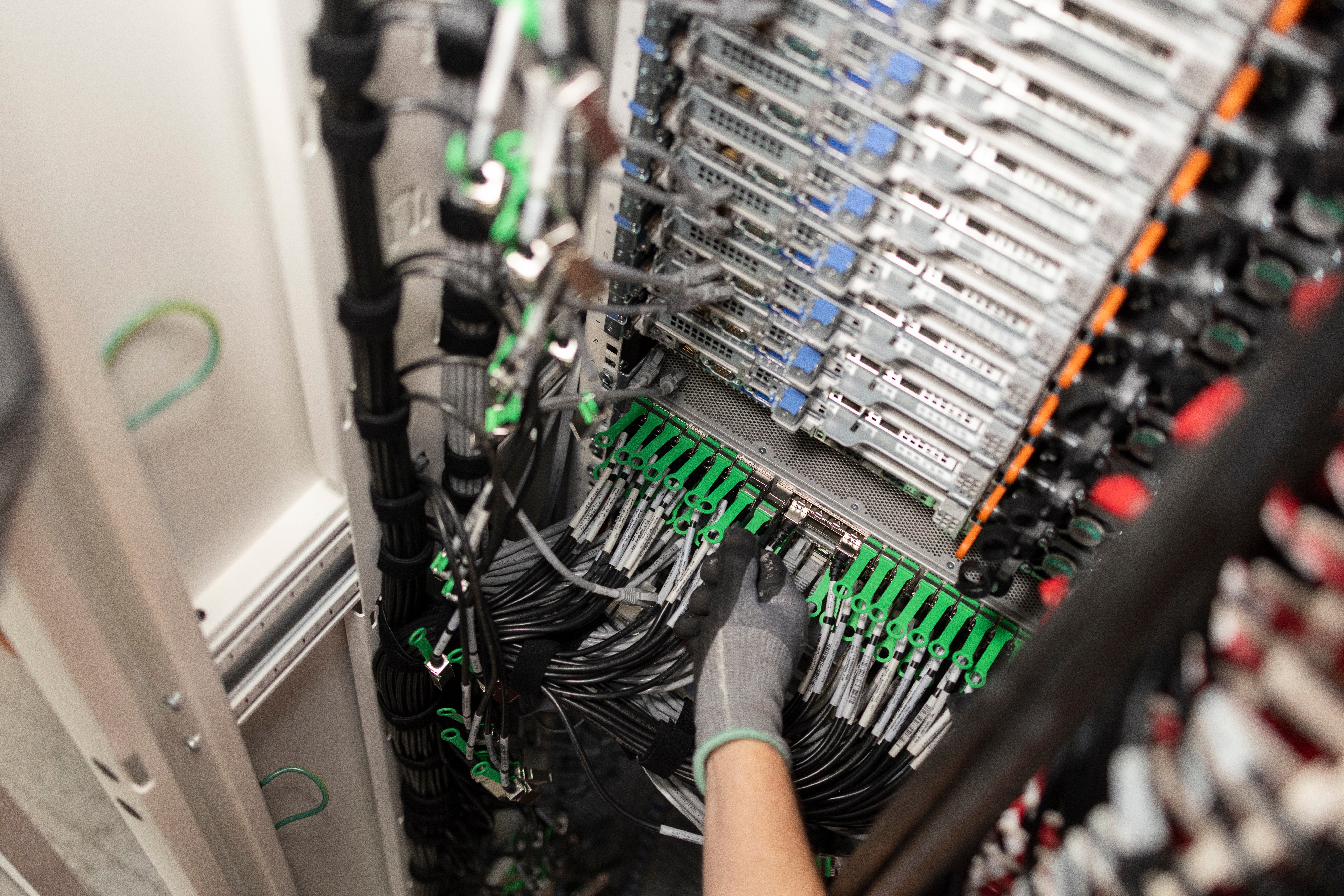
Artificial intelligence is changing the economics of data center infrastructure. For hyperscalers, cloud providers and enterprise IT teams, the pressure to deploy faster, denser, and more specialized compute is shortening the life of hardware that once stayed in production for years.
Updated 24th August 2026
That shift is placing new pressure on IT asset disposition programs. Servers, storage arrays, networking equipment, processors, GPUs and memory modules are moving out of production at higher volumes and shorter intervals. For organizations running AI infrastructure, secure and sustainable decommissioning is becoming a core part of lifecycle planning.
SK Tes, a global leader in IT asset disposition and technology lifecycle services, is helping organizations respond to this new reality through scalable ITAD, onsite data center decommissioning, secure data sanitization, component harvesting, resale and recycling.
Table of Contents
- AI is Changing the Data Center Lifecycle
- Retired Hardware Still Has Market Value
- Memory Supply Shows the Importance of Reuse
- Secure Sustainable, and Scalable ITAD for AI Infrastructure
- The AI Era Needs Lifecycle Discipline
AI is Changing the Data Center Lifecycle
The scale of AI infrastructure growth is difficult to overstate. McKinsey projects that data centers will require $6.7 trillion in capital expenditures by 2030 to keep pace with compute demand, including $5.2 trillion for AI processing loads alone. The same analysis projects that global data center capacity demand could nearly triple by 2030, with AI workloads accounting for about 70% of that demand.
This growth is driven by the rapid adoption of generative AI, expanding enterprise AI use cases and a competitive infrastructure race among hyperscalers and large organizations. AI workloads require high-density servers, advanced processors, high-bandwidth memory, specialized networking, greater power capacity and new cooling designs.
The result is a faster hardware clock. Traditional enterprise data center equipment often followed a four- to six-year lifecycle. GPU-dense AI servers are now being refreshed in as little as 10 to 18 months as organizations pursue higher performance, stronger energy efficiency and greater model capacity.
“AI has fundamentally changed the cadence of infrastructure retirement,” says Eric Ingebretsen, Chief Commercial Officer at SK tes. “Enterprises are upgrading faster than ever, but many of the back-end processes for secure decommissioning and value recovery at scale in our industry haven’t kept pace. That gap creates risk and opportunity for organizations that modernize their ITAD strategy.”
Every accelerated refresh cycle has an environmental impact beyond the data center itself. AI servers and accelerators are among the most resource-intensive technology products ever manufactured, relying in critical raw materials, advanced semiconductors, and highly specialized components. As refresh cycles compress, organizations are challenged not only to deploy new infrastructure, but also to maximize the value of recovery and equipment being replaced.
Decommissioning Is Becoming a Strategic Pressure Point
As AI infrastructure expands, the back end of the lifecycle becomes harder to manage. Retiring equipment is no longer a routine process that happens after a long depreciation cycle. It is now part of a continuous upgrade pattern tied to AI model growth, compute demand and market availability.
Research on AI data center lifecycle management notes that traditional data center practices are struggling to keep pace with AI’s fast-changing models, rising infrastructure needs and diverse hardware profiles. The study breaks the AI data center lifecycle into build, IT provisioning and operation, with IT provisioning covering when to decommission, upgrade or repurpose hardware.
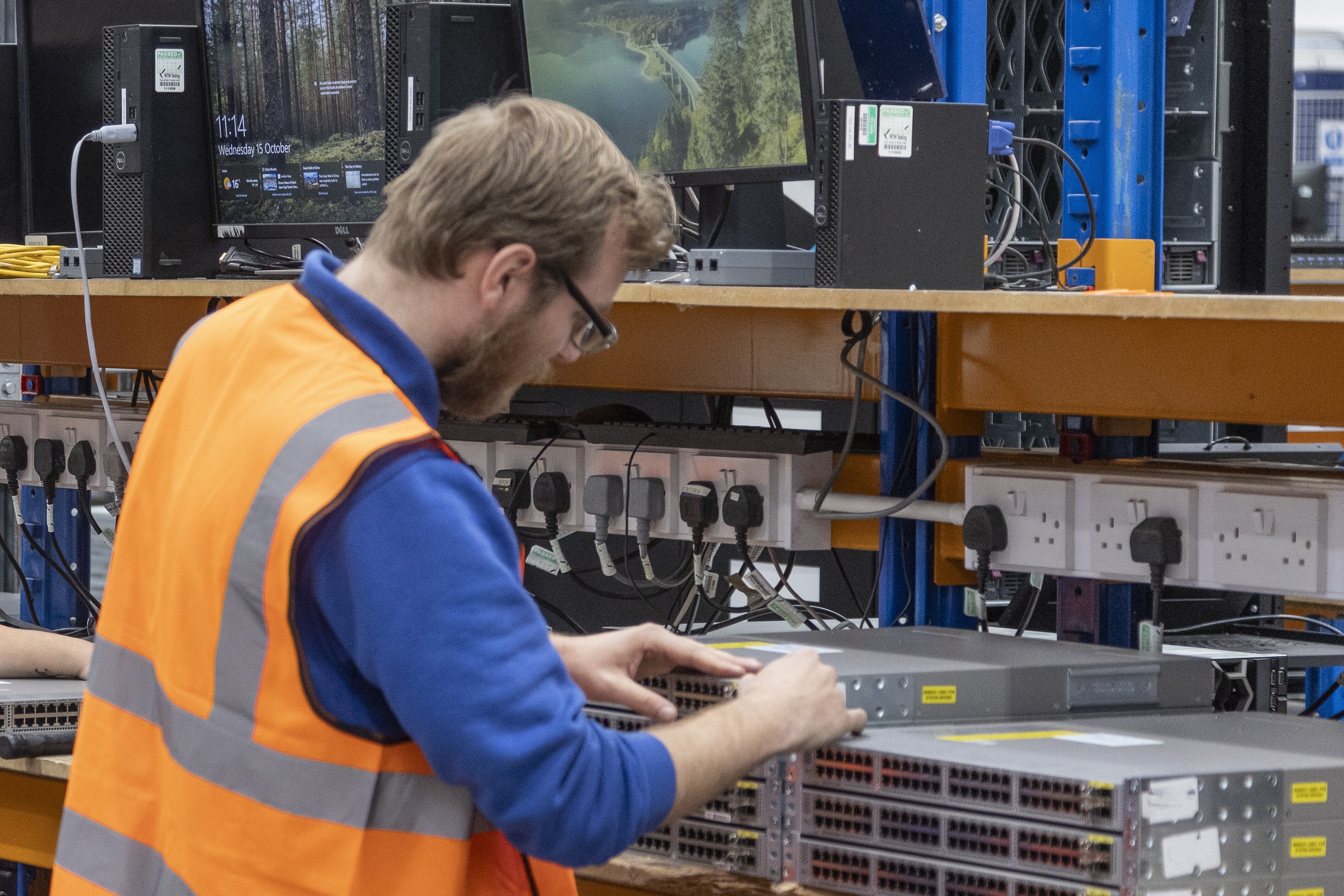
This is where ITAD becomes directly tied to operational performance. If retired equipment cannot be identified, sanitized, removed, tested and routed quickly, organizations can face space constraints, delayed deployments, data-security exposure and missed resale opportunities.
AI infrastructure also carries higher capital and operational costs than traditional environments. The lifecycle study cites NVIDIA DGX H100 servers as an example, noting that a single server can exceed $200,000 and draw up to 10.2 kW, pushing power and cooling requirements far beyond traditional CPU-based systems.
When assets of that value are retired early, every week matters. A disciplined ITAD program can help preserve recoverable value, maintain auditability and reduce operational friction during fast refresh cycles.
Why Do Enterprises Struggle with Data Center Decommissioning Services
The operational pressures created by AI infrastructure refresh cycles are also exposing how difficult enterprise data center decommissioning can be at scale.
Unlike traditional hardware retirement programs, modern decommissioning projects involve large volumes of interconnected servers, storage systems, networking equipment, racks, power infrastructure and cabling, often spread across multiple environments and regions. Many organizations are also working with incomplete asset inventories, outdated documentation or undocumented dependencies, making it difficult to determine what can be safely removed, reused, redeployed or retired.
At the same time, the margin for error is shrinking. Removing or shutting down the wrong asset can disrupt critical applications, customer environments or internal operations. AI infrastructure increases this pressure further because equipment values are higher, deployment timelines are tighter and refresh cycles are happening much faster than in traditional enterprise environments.
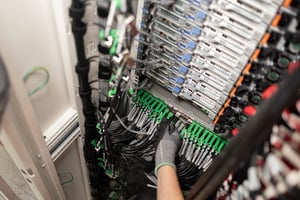
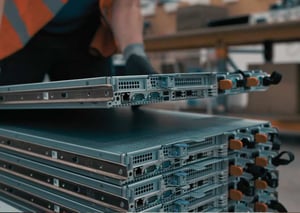
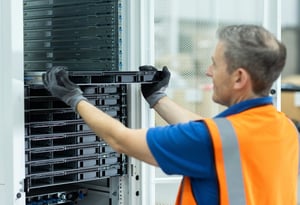
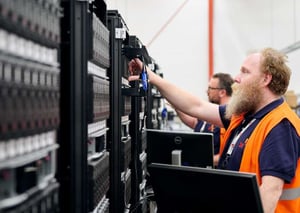
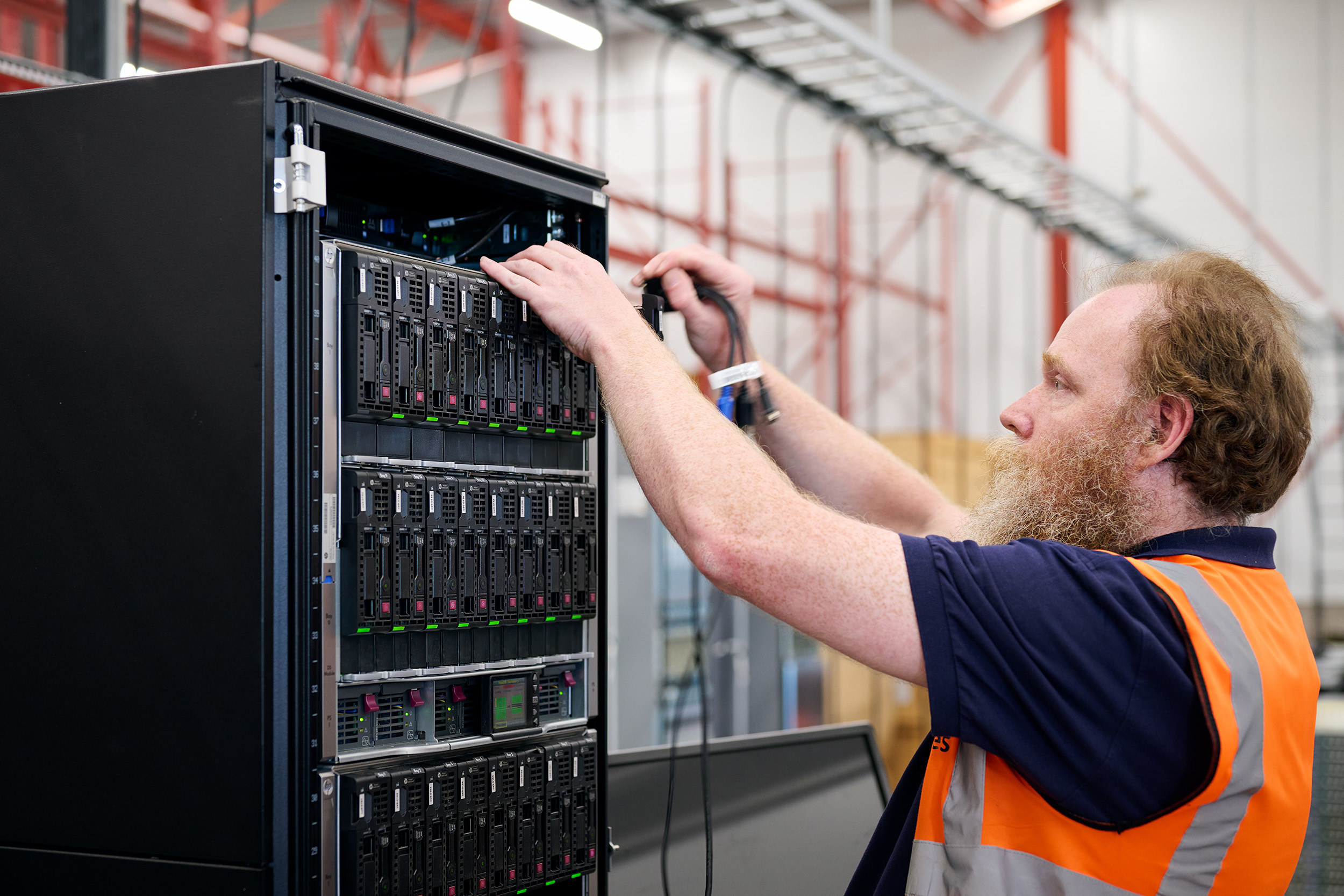
SK Tes provides zero disruption data center decommissioning services around the world.
Data security and compliance requirements add another layer of complexity. Retired drives, storage devices and components may still contain sensitive or regulated data, requiring secure sanitization, documented chain of custody and auditable downstream handling throughout the decommissioning process.
Enterprises must also balance sustainability and financial recovery goals while coordinating IT, facilities, security, compliance, procurement and external vendors. Decisions around reuse, recycling, remarketing and destruction increasingly require specialized expertise, scalable processes and trusted ITAD partners.
As AI-driven refresh cycles continue to accelerate, data center decommissioning is becoming less of a routine end-of-life activity and more of an operational, compliance and risk-management discipline.
Scale and volume of equipment add another layer or complexity. Read more about managing data center decommissioning at scale in this recent SK Tes Article.
Retired Hardware Still Has Market Value
The rise of AI infrastructure does not mean retired equipment still does not retain significant value. In many cases, decommissioned servers, drives, memory, processors and networking components can support enterprise workloads, lab environments, edge deployments, legacy platforms and secondary-market buyers.
Many AI infrastructure refreshes are driven by performance requirements rather than equipment failure. Servers may no longer deliver the density, power efficiency or processing capability required for next generation AI workloads, yet still remain suitable for other enterprise, edge computing, testing or secondary-market applications. This growing gap between technical obsolescence and physical lifespan is one of the defining challenges of the AI era.
Information Week has reported on the possibility of AI infrastructure outpacing demand, with industry experts pointing to delayed projects, capacity changes and the potential for some AI assets to enter secondary markets if demand softens or projects are restructured.
For CIOs and infrastructure leaders, this creates a practical reminder: Asset value does not end when hardware leaves the rack. The right ITAD program can test, grade, refurbish and remarket components that still have relevance in a volatile market.
SK Tes supports this process through value-recovery programs that help organizations return useful technology to market while maintaining chain of custody, data-security controls and compliance documentation.
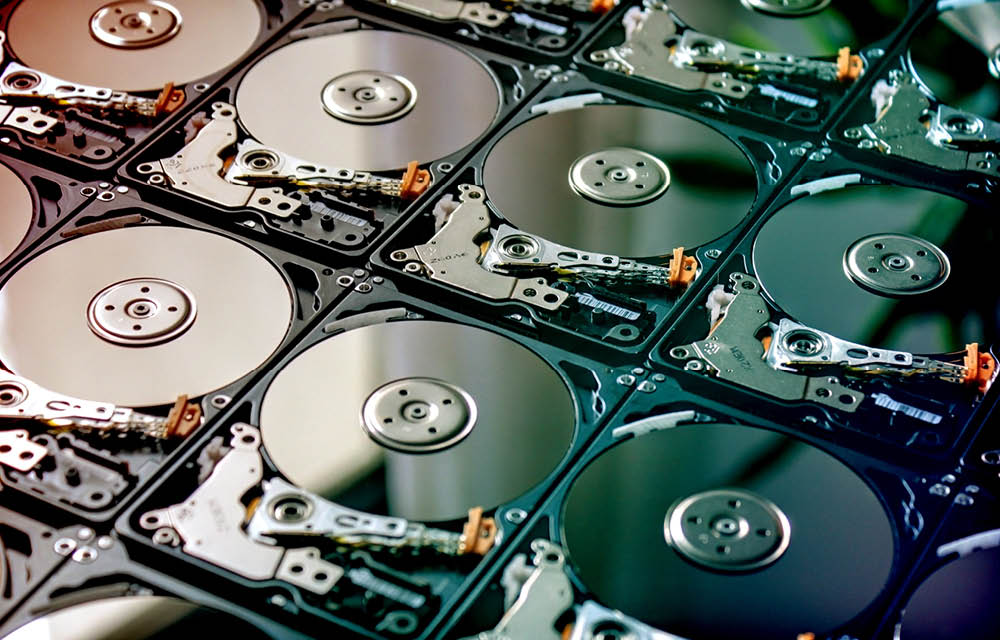
AI servers, accelerators, memory modules and networking equipment also contain valuable materials that are increasingly important to global technology supply chains. Recovering components for reuse and ensuring responsible recycling at end of life helps reduce waste, support resource efficiency and retain value within the technology ecosystem.
Memory Supply Shows the Importance of Reuse
A recent SK Tes Market Insights Report illustrates how AI refresh cycles are also affecting global memory markets. AI data centers now consume an estimated 70% of all memory chips produced worldwide as manufacturers shift production toward high-bandwidth memory for AI accelerators.
That shift is tightening availability of conventional DRAM. DDR4 remains widely used across millions of servers and embedded systems, but manufacturers are phasing out production in favor of DDR5 and high-bandwidth memory. As pricing moves quickly, decommissioned DDR4-equipped servers can become an important secondary source of supply.
Through refurbishment and value recovery, SK Tes helps return tested and validated DDR4 modules to the market. This supports organizations that still rely on legacy platforms, reduces unnecessary waste and extends the useful life of existing technology.
Secure, Sustainable and Scalable ITAD for AI Infrastructure
AI-driven refresh cycles demand ITAD programs that can operate at speed and scale. With more than 40 owned facilities across 22 countries, SK Tes supports global enterprises, cloud providers and hyperscalers with consistent service levels, local compliance expertise, regional processing, lower logistics costs and support across local time zones and languages. SK Tes also provides onsite services that include data sanitization, rack-level decommissioning, component harvesting, secure logistics and downstream processing.
Maintaining chain of custody is critical throughout this process. Enterprise data center decommissioning programs require clear asset reconciliation, documented handovers, secure transportation and auditable downstream tracking to reduce operational and compliance risk. Strong chain of custody controls help organizations verify that assets are properly sanitized, processed and dispositioned according to internal policies and regulatory requirements.
Sustainability is central to that work. When assets can be reused, redeployed or resold, SK Tes helps extend their productive life. When recycling is the right path, the company processes electronics and batteries responsibly, including recovery of scarce materials from used batteries at purity rates high enough for reuse in the manufacturing supply chain.
Extending the life of usable equipment can also avoid a portion of the environmental impacts associated with manufacturing replacement hardware. For organizations with sustainability goals, reuse and redeployment can complement energy-efficiency initiatives by reducing demand for newly manufactured equipment.
Through SK Tes Carbon Loop reporting, organizations can also gain visibility into the environmental benefits delivered through reuse, refurbishment, and responsible end-of-life management, helping support sustainability reporting and circularity objectives.
The AI Era Needs Lifecycle Discipline
“AI is forcing a complete re-architecture of the data center lifecycle,” Ingebretsen says. “Organizations need repeatable, global processes and expert program management to manage complexity, protect data, and unlock value tied up in decommissioned equipment.”
As AI accelerates refresh, consolidation and decommissioning programs, SK Tes continues to invest in global capacity, standardized processes, onsite capabilities and advanced data-sanitization technologies.
The next phase of AI infrastructure will not be measured solely by how quickly organizations deploy new compute capacity. It will also be defined by how effectively they manage the hardware lifecycle behind it, protecting data, recovering value, supporting circularity, and ensuring critical technology resources remain in productive use for as long as possible.
Get in touch with us, contact us.