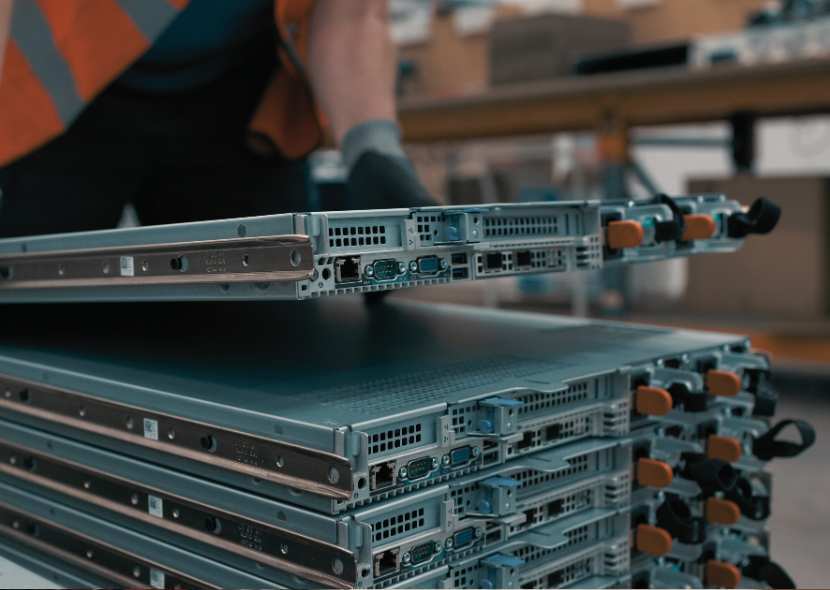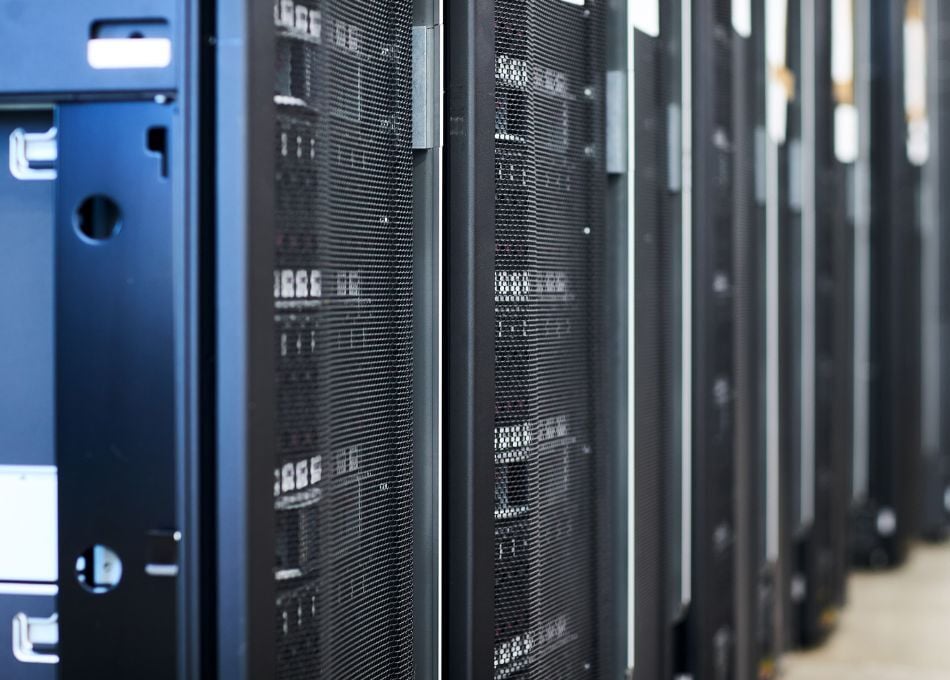
Data center data destruction has become a critical consideration as organizations modernize infrastructure, deploy AI workloads, and retire growing volumes of storage devices. The right approach must protect sensitive information, support regulatory compliance, and align with sustainability goals.
This Blog Covers:
- What Is Data Center Data Destruction?
- Best Methods for Data Center Data Destruction
- Data Destruction Workflow Comparison
- Data Sanitization Standards and Compliance Considerations for Data Centers
- Data Destruction Policy Consideration
- Industry Best Practices in Data Destruction for Data Centers
- How to Choose a Data Destruction Provider
- How SK Tes Supports Data Center Data Destruction
What Is Data Center Data Destruction?
Before selecting a data destruction workflow, organizations should have a clear data destruction policy in place. This policy serves as the foundation for all asset disposition decisions, defining how data-bearing assets are managed from retirement through final disposition - whether through data erasure, physical destruction, reuse, or remarketing.
Best Methods for Data Center Data Destruction
The most effective approach depends on security requirements, compliance obligations, asset volumes, and sustainability objectives. Most organizations use one or a combination of the following methods.
- Offsite Data Destruction - Assets are transported to a secure service provider facility, where data destruction and downstream processing are completed under controlled conditions. This model can work well for organizations that do not have the space, infrastructure, or internal resources to manage destruction activities onsite.
- Hybrid Data Destruction - This approach combines onsite data destruction with off-premises destruction and erasure, giving organizations greater flexibility based on asset type, security requirements, and operational priorities. It can be a practical option for enterprises that need a balance of control, scalability, and processing efficiency.
- Integrated, Automated Data Erasure - Software-based onsite data erasure is performed at scale within the data center environment, helping organizations maintain tighter control over assets throughout the process. This model is often best suited to high-volume operations where security, speed, visibility, and asset recovery potential are all critical.
Data Destruction Workflow Comparison
While the destruction method determines how data is removed, workflow models determine where and how the process is managed.
Organizations typically choose between three data destruction workflows - offsite data destruction, hybrid data destruction and integrated onsite data erasure based on security requirements, operational priorities, sustainability goals, and internal data destruction policies.
Understanding the strengths and limitations of each model can help organizations reduce risk, improve sustainability outcomes, and streamline large-scale data center operations. These points are summarized in the table below:
| Workflow Model | Security Control | Sustainability | Asset Recovery Potential | Best Suited For |
|---|---|---|---|---|
| Offsite Data Destruction | High | Moderate | Moderate | Smaller environments with limited onsite resources. |
| Hybrid Data Destruction | High | High | High | Enterprise organizations seeking greater operational flexibility |
| Integrated Onsite Data Erasure Operations | Highest | Highest | Highest | Large-scale, cloud, and hyperscale data center environments seeking highest control for highest data security control. |
Many organizations view these workflows as a maturity progression, moving from traditional offsite processing toward integrated onsite data erasure solutions that provide greater visibility, control, and operational efficiency.
Access our Safe, Secure & Seamless: Hyperscale Data Center Solutions Whitepaper and explore the key considerations behind different destruction methods and workflow models, helping your organizations evaluate options and make informed decisions about retiring data-bearing assets when it comes to data center decommissioning.
Safe, Secure & Seamless: Hyperscale Data Center Solutions [Whitepaper]
Become confident in your decommissioning projects for data center equipment, access the whitepaper now!
Data Sanitization Standards and Compliance Considerations for Data Centers
Data center operators face increasing pressure to demonstrate that retired assets have been managed securely and responsibly. Industry-recognized data sanitization standards such as NIST SP 800-88 and IEEE 2883 provide guidance for data sanitization practices across different storage media. Organizations should also evaluate requirements related to data privacy regulations, customer contracts, and internal security policies. The appropriate approach will vary depending on the type of data being processed, the storage technology involved, and the organization's risk profile. For this reason, many enterprises incorporate data destruction into broader ITAD governance frameworks that emphasize security, transparency, and sustainability.
Data Destruction Policy Considerations
Every organization has different security, compliance, and sustainability requirements. As a result, data destruction policies can vary significantly depending on industry regulations, customer obligations, risk tolerance, and internal governance standards. When evaluating a data center data destruction approach, organizations should consider:
- Data sensitivity and security requirements
- Chain of custody expectations
- Approved sanitization and destruction methods
- Regulatory and audit requirements
- Sustainability and asset recovery objectives
- Documentation and reporting needs
The most effective data destruction programs align operational processes with these policy requirements, ensuring consistency, transparency, and compliance across the asset lifecycle.
Industry Best Practices in Data Destruction for Data Centers
Regardless of the workflow model selected, there are several recognized best practices for protecting data and maintaining compliance:-
Maintain Chain of Custody - Every asset should be tracked throughout the disposition process, from removal through final destruction or sanitization.
-
Follow Recognized Data Sanitization Standards - Organizations should align with accepted industry standards and documented procedures when sanitizing or destroying storage media.
-
Verify and Document Results - A robust process should include verification steps, audit trails, and certificates documenting completed activities.
-
Use Certified Service Providers - Working with experienced providers can help organizations maintain consistent security and compliance across global operations.
-
Prioritize Reuse Before Recycling - Where appropriate, organizations should consider secure data erasure as a way to support sustainability objectives while extending asset life.
-
Maintain Audit Readiness - Detailed reporting and documentation can help support internal governance, customer requirements, and regulatory obligations.
How to Choose a Data Destruction Provider
Selecting the right data destruction partner is just as important as selecting the right destruction method. When evaluating providers, consider the following questions:
-
Do they offer certified data destruction and data sanitization services?
-
Can they support enterprise, colocation, and hyperscale data center environments?
-
What standards and documented processes do they follow?
-
Can they support both data erasure and physical destruction requirements?
-
How do they maintain chain of custody throughout the asset lifecycle?
-
What visibility, reporting, and audit documentation is provided?
-
How do they support sustainability and circular economy objectives?
-
Can they manage large-scale infrastructure refreshes and decommissioning projects?
The answers to these questions can help organizations identify a provider capable of supporting both current and future requirements.
How SK Tes Supports Data Center Data Destruction
SK Tes helps organizations securely manage retired IT assets through certified data destruction, data center decommissioning services, data sanitization, ITAD services, value recovery, and responsible recycling services. Recognizing that every organization has unique data destruction policies, security requirements, and sustainability goals, SK Tes works with enterprise, colocation, cloud, and hyperscale data center operators to develop solutions aligned with their operational and compliance needs. For technology refreshes, data center consolidation, and ongoing lifecycle management, SK Tes provides the expertise to manage complex data destruction requirements at scale.
Conclusion
As infrastructure refresh cycles accelerate, data center data destruction is becoming an increasingly important component of security, compliance, and sustainability strategies.
The right approach depends on an organization's operational requirements, risk profile, and data destruction policies. By partnering with an experienced provider such as SK Tes, data center operators can securely retire data-bearing assets, maintain compliance, and support broader business and environmental objectives.
Contact us for secure data destruction services.